Mahakaleshwar Temple Darshan Guide for Visitors to Ujjain
A practical guide to planning Mahakaleshwar darshan: types of darshan, the Bhasma Aarti, what to carry, and how to make the visit easier for elders and children.
By ShivkunjPublished 4 min read
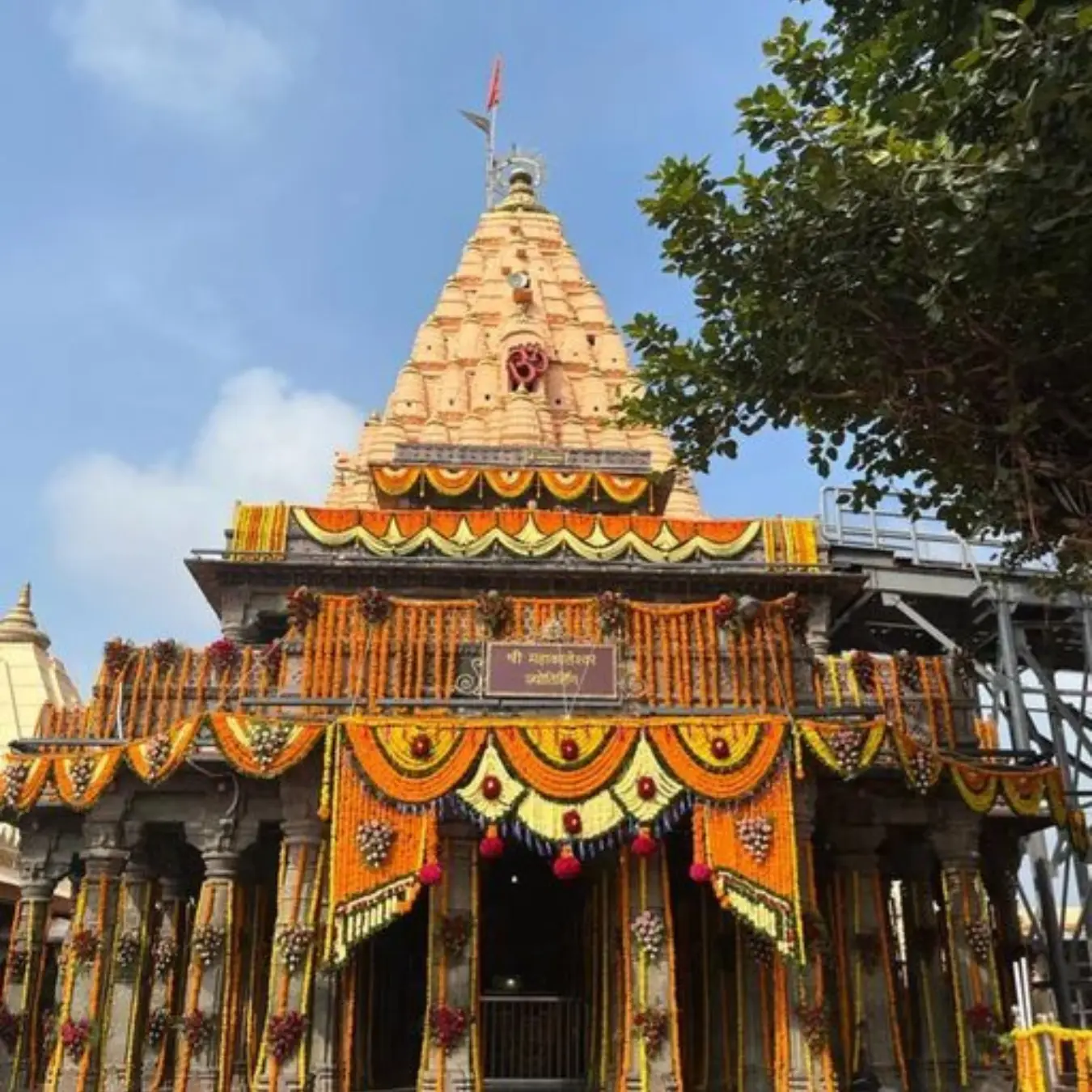
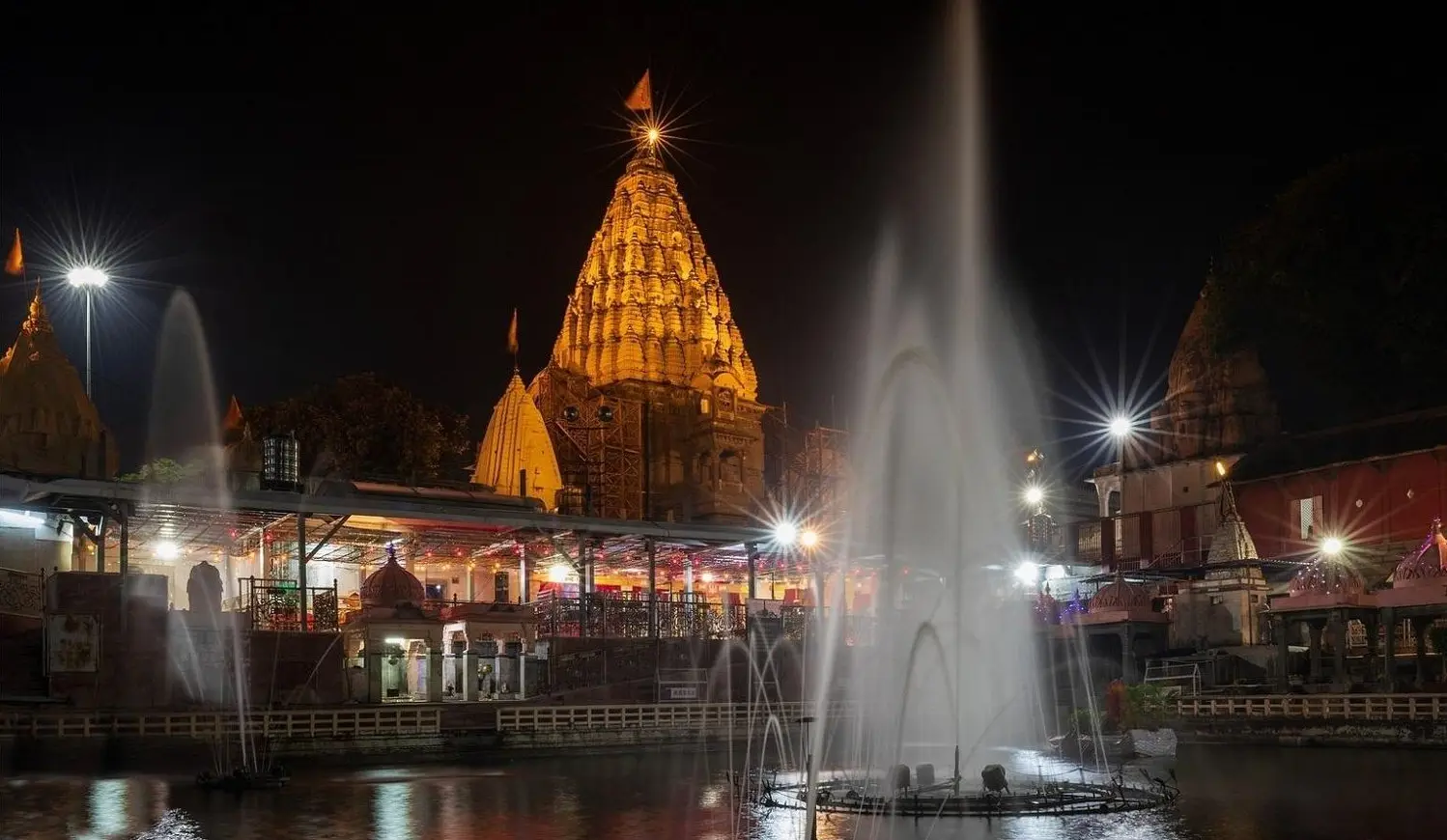
For most visitors, a trip to Ujjain begins and ends with Shri Mahakaleshwar. It is one of the twelve Jyotirlingas of Lord Shiva, and the only one where the lingam faces south (Dakshinamukhi). It is also busy, especially on weekends, Mondays and festival days, so a little planning makes the visit much calmer.
This guide covers what first-time visitors usually ask us. Temple rules and timings change from time to time, so always confirm the latest details on the official temple website before you set out.
Types of darshan
There are broadly three ways to have darshan at Mahakaleshwar:
- General darshan. Free. You join the queue and move through the temple at the pace of the crowd. On busy days this can take a while, so carry water and keep elders rested.
- Paid quick darshan. A paid option with a separate, faster queue. Current price: [ADD CURRENT QUICK DARSHAN FEE FROM OFFICIAL SITE].
- Bhasma Aarti. The famous early-morning aarti performed before dawn. It needs advance booking and has its own entry rules (see below).
The Bhasma Aarti
The Bhasma Aarti is the ritual most people associate with Mahakaleshwar. It takes place in the early hours of the morning, and devotees watch from a seating area facing the sanctum.
What to know before you plan around it:
- Book in advance. Places are limited and are released through the temple's official booking system. Do not rely on agents promising guaranteed passes.
- Carry the same photo ID you used while booking.
- Arrive early. Reporting time is well before the aarti begins. Current reporting time: [ADD CURRENT REPORTING TIME].
- Dress code. A traditional dress code applies for entry to certain areas. Current rule: [CONFIRM CURRENT DRESS CODE].
Best time of day for darshan
Weekday mornings after the first rush, and early afternoons, are usually less crowded than evenings. Mondays, the month of Shravan, Mahashivratri and long weekends bring very large crowds, so expect longer queues on those days.
What to carry, and what to leave behind
- Carry
- Photo ID, a small amount of cash, a water bottle, comfortable footwear you can leave at the stand
- Leave at your hotel
- Large bags, leather items and anything you would not want to deposit at a locker
- Mobile phones
- Rules on phones inside the temple change. Current rule: see official site
- Prasad
- Laddu prasad is available from official counters near the temple
Tips for families, elders and children
- Plan for queues. Keep snacks and water handy for children, and agree on a meeting point in case anyone gets separated.
- Elders and differently-abled visitors. The temple has made arrangements for elderly and differently-abled devotees in the past. Ask at the help desk on arrival about the current facilities.
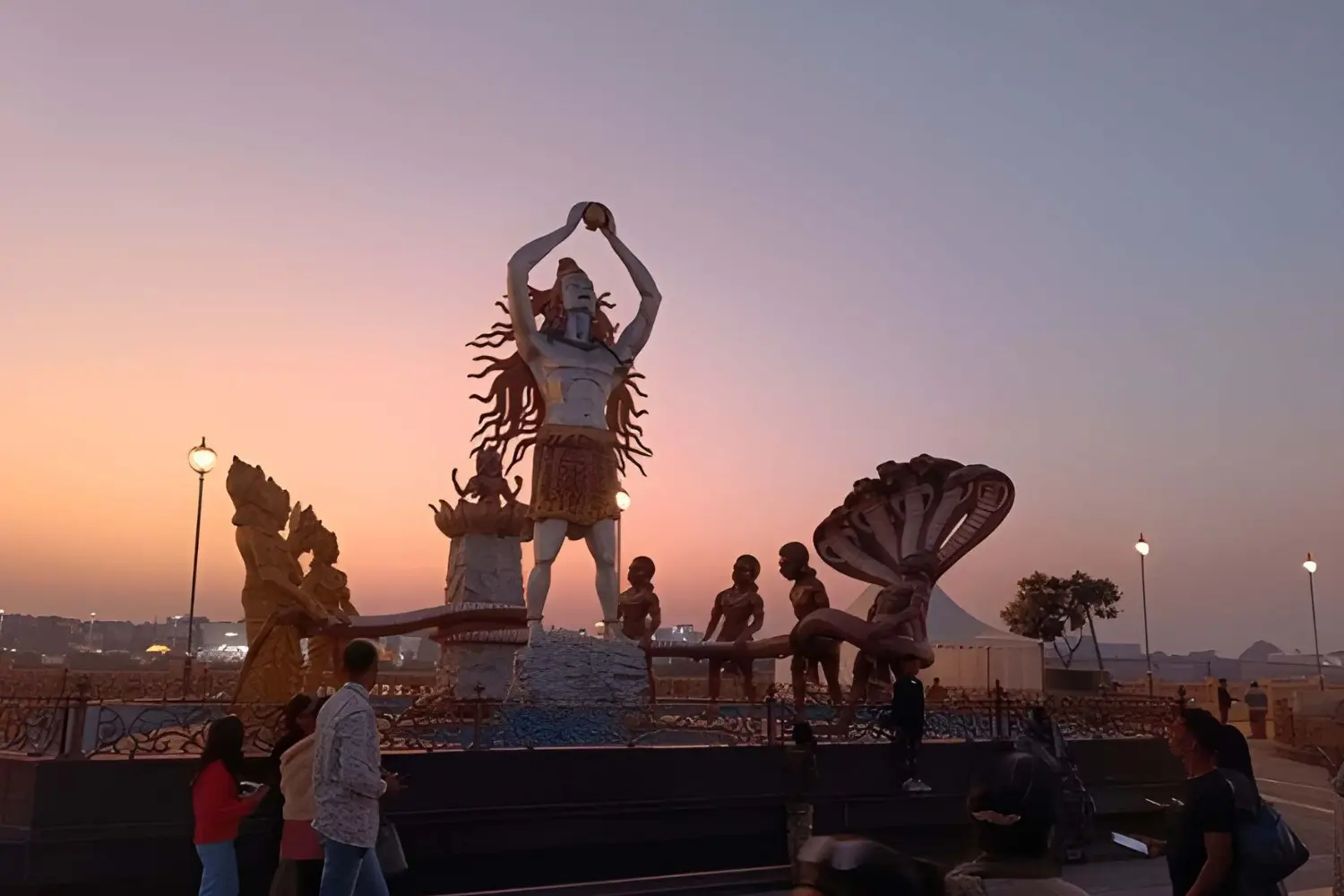
- Combine with Mahakal Lok. The Shri Mahakal Lok corridor is right beside the temple and is easier to enjoy in the cooler evening hours.
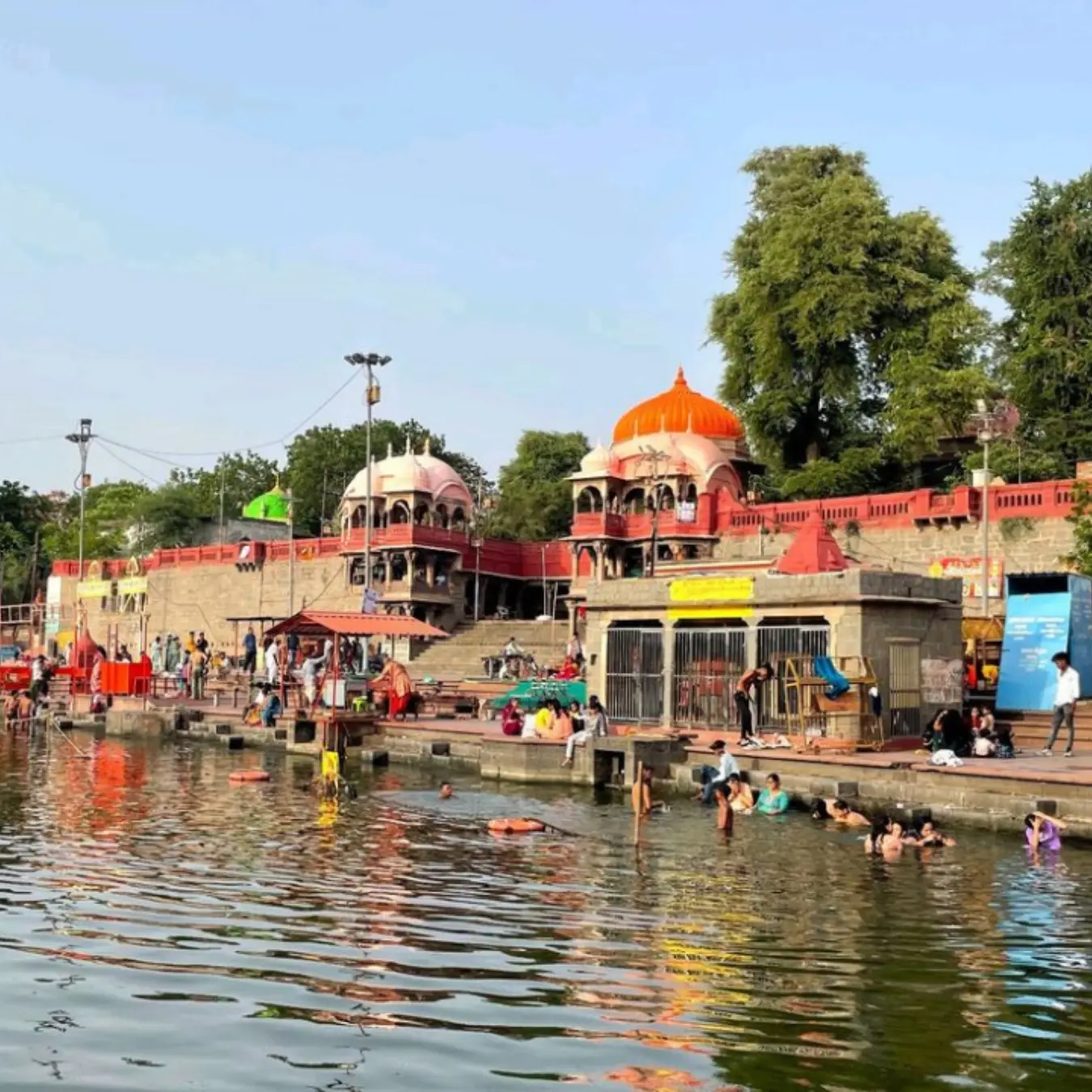
- Don't overpack the day. One major temple in the morning and a relaxed evening at Ram Ghat is a comfortable pace for most families.
Getting to the temple
Mahakaleshwar is in the old city, where lanes get crowded. Autos, e-rickshaws and app cabs are the easiest way to reach the temple area. On festival days, vehicles may be stopped some distance away, so be prepared to walk the last stretch.
From Shivkunj, the drive to the temple area takes about [ADD VERIFIED TRAVEL TIME FROM SHIVKUNJ], depending on traffic.
Plan the rest of your visit
Most visitors spend one to two days in Ujjain. If you have a little more time, our 2-day Ujjain itinerary shows how to fit in the main temples without rushing.